Flaman Physiotherapy Provides Radial Shockwave Therapy in Saskatoon
Flaman Physiotherapy offers a range of specialized services designed to improve mobility, relieve pain, and enhance overall wellbeing. These specialized services include Radial shockwave therapy, also known as Extracorporeal Shockwave Therapy (ESWT). Shockwave is an advanced physiotherapy treatment used to stimulate healing in injured tissues using high-energy acoustic pressure waves.
Originally designed for calcific tendonitis and heel spurs, clinicians and researchers have found it is also effective in treating many other conditions.
At Flaman Physiotherapy, shockwave therapy is often used to treat chronic musculoskeletal injuries that may not have responded to other treatment methods. Many patients experience rapid pain reduction and improved mobility after only a few sessions.

What Is Radial Shockwave Therapy?
Radial shockwave therapy uses low-frequency acoustic waves (typically 1–22 Hz) to create therapeutic changes within injured tissues.
These waves stimulate biological responses that encourage tissue repair, improve circulation, and reduce pain.
Conditions Treated With Shockwave Therapy
Our therapists have had success utilizing shockwave therapy as part of an integrated treatment session for many injuries, including but not limited to:
Plantar fasciitis
Heel spurs
Achilles Tendon Injuries
Tennis elbow
Golfer’s elbow
Tendonitis
Calcific tendonitis
Muscle strains
Chronic trigger points
Shockwave Technology Used at Flaman Physiotherapy
Flaman Physiotherapy uses the Zimmer enPuls 2.0 shockwave system, which generates therapeutic acoustic waves using an electromagnetic system rather than traditional compressor technology.
Precise delivery of shockwave energy
Reduced noise during treatment
Consistent wave generation
Improved patient comfort
How Shockwave Therapy Works
American Physical Therapy Association (APTA)
Shockwaves stimulate the Golgi tendon organs and muscle spindles within muscles and tendons, helping normalize muscle tone.
Pain Reduction
Shockwave therapy can reduce pain using gate control mechanisms that alter how pain signals are transmitted to the brain.
Cellular Stimulation
Mechanical stress from the acoustic waves stimulates cellular activity and tissue regeneration.
Strengthening Tissue Structure
Controlled mechanical stress can reinforce the structure of injured tissues and support healing.
What to Expect During Treatment
Shockwave therapy is delivered using a handheld device applied to the skin over the injured area.
Some mild discomfort may occur during early treatment but usually decreases quickly and treatments are well tolerated.
Conditions That May Benefit From IMS
Shockwave therapy is often combined with other physiotherapy treatments such as:
Biomechanical Therapy
Exercise Rehabilitation
Laser Therapy
TENS/EMS
Ultrasound
Acupuncture
Dry Needling
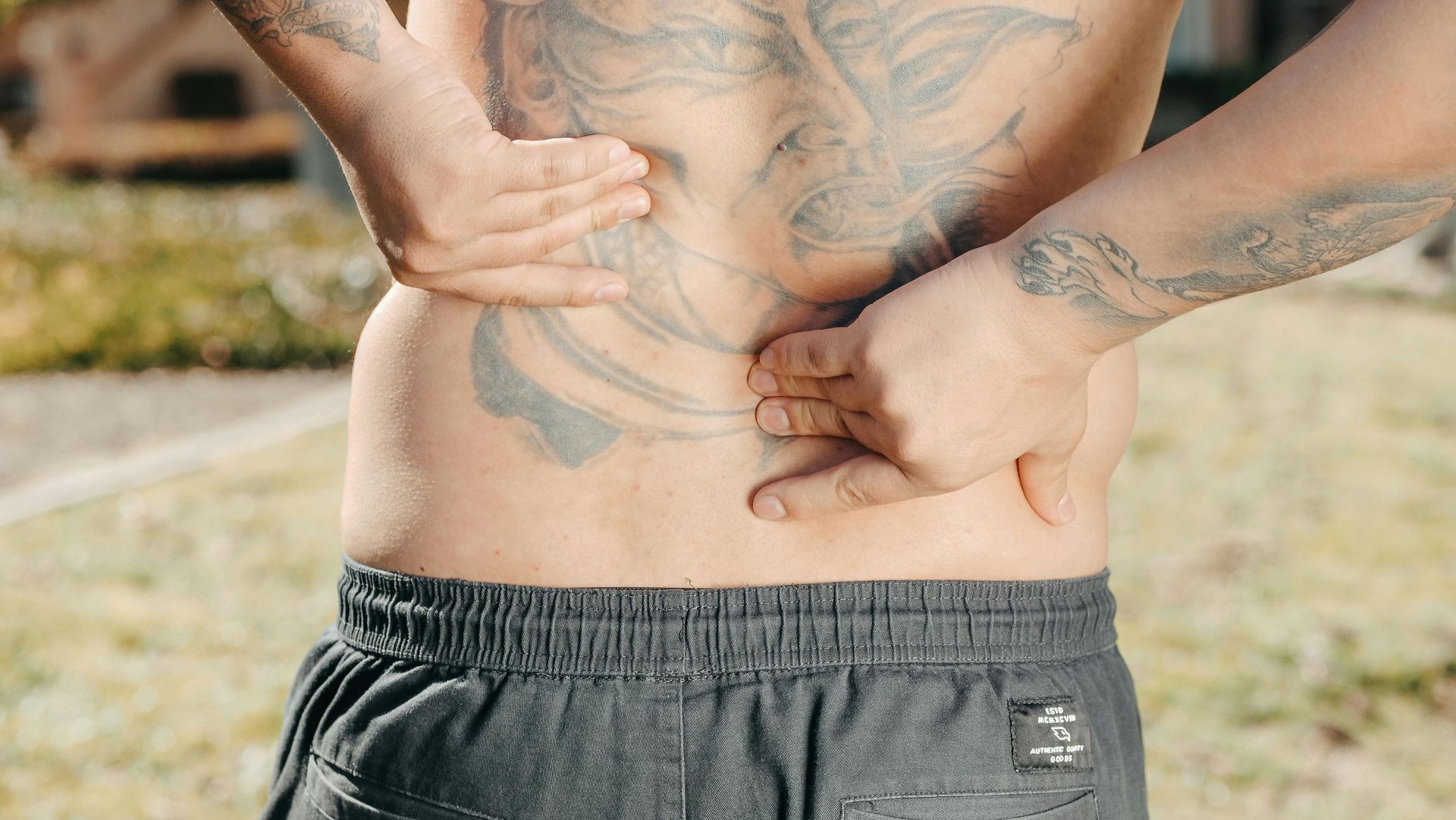
Chronic Back Pain

Neck Pain

Sciatica

Shoulder Pain
Frequently Asked Questions
Is shockwave therapy painful?
Some mild discomfort may occur initially but it typically decreases quickly.
How long does a treatment take?
Most shockwave therapy treatments last about 5–10 minutes, easily integrated into a full treatment session.
How soon will I see results?
Many patients notice improvement after one or two sessions.
Is shockwave therapy safe?
Yes, when performed by trained physiotherapists it is considered safe and effective.
How Many Shockwave Treatments Are Needed?
Typical treatment plans include:
- 3–6 sessions
- Treatments scheduled 1–2 times per week
Start Your Recovery Today
If you are experiencing pain, restricted movement, or a recent injury, a biomechanical assessment can help determine the cause and guide your treatment plan.
Serving Saskatoon and Surrounding Communities
Saskatoon
Warman
Martensville
Dalmeny
Clavet
Dundurn